

In a world where takeout boxes seem to multiply like rabbits, it’s time to rethink our dinner game. Sustainable food recipes not only help save the planet but also make your taste buds do a happy dance. Imagine whipping up a delicious meal that’s good for you and Mother Earth—now that’s a win-win!
Sustainable Food Recipes
Sustainable food recipes focus on ingredients that are environmentally friendly, health-conscious, and ethically sourced. These recipes emphasize using seasonal produce and minimizing waste in meal preparation.
Definition of Sustainable Food
Sustainable food encompasses items produced in ways that preserve ecological balance. This means selecting organic fruits and vegetables, ethically raised meats, and locally sourced ingredients. Minimizing environmental impact remains a primary goal. Sustainable practices support soil health, conserve water, and reduce pollution. People often refer to sustainable food as food that meets current needs without jeopardizing future generations’ resources.
Importance of Sustainability in Cooking
Cooking sustainably plays a crucial role in combating climate change and promoting health. Sustainable recipes help reduce carbon footprints by using seasonal and local ingredients. Making conscious choices in meal preparation can significantly affect the environment and public health. Positive impacts include supporting local farmers and reducing long-distance transportation emissions. Incorporating sustainable practices in the kitchen encourages mindful consumption, ultimately leading to a healthier planet and healthier people.
Key Ingredients for Sustainable Recipes
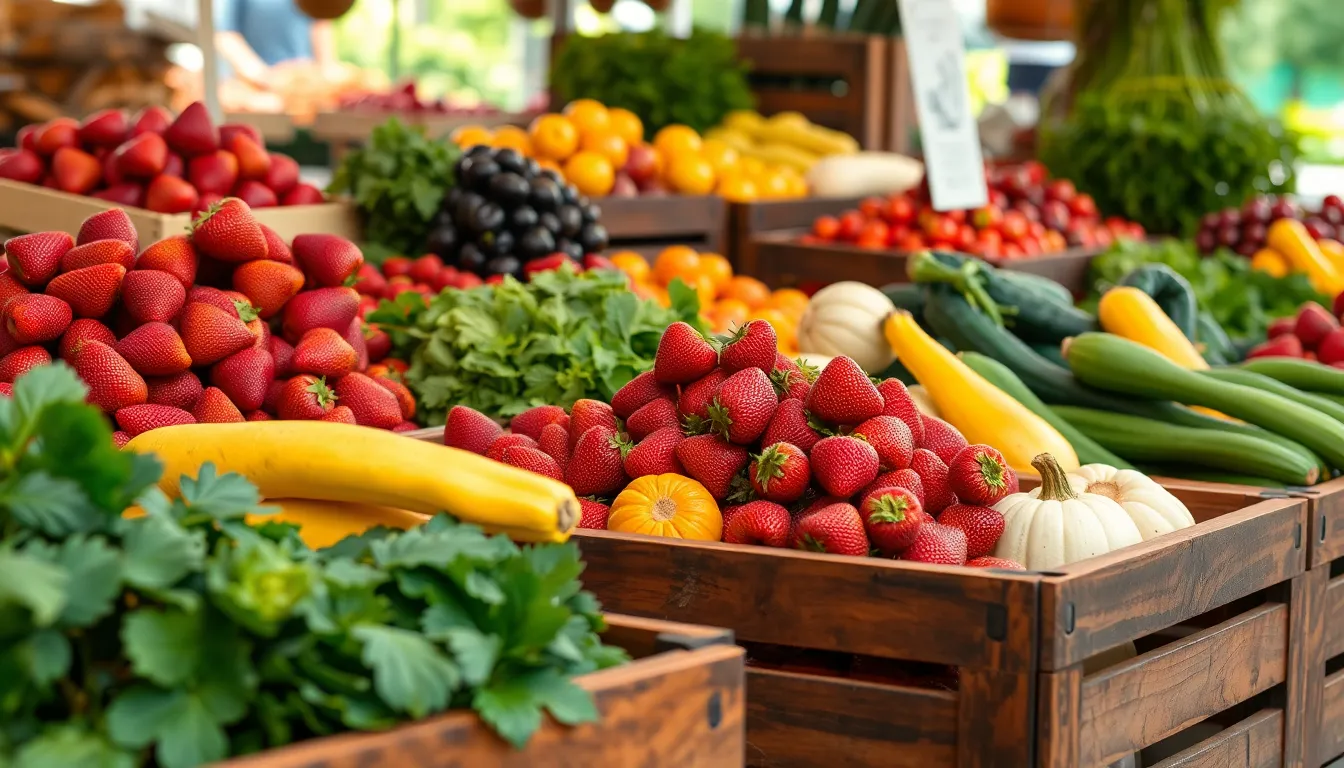
Choosing components for sustainable recipes makes a significant difference. Ingredients such as local and seasonal produce can enhance meals while benefiting the environment.
Local and Seasonal Produce
Local produce supports nearby farmers and reduces transportation emissions. Seasons dictate what fruits and vegetables are at their peak freshness, ensuring maximum flavor and nutrients. Eating strawberries in June or squash in October aligns cooking with nature’s schedule, offering better taste and less environmental impact. Seasonal ingredients often cost less due to lower transportation and storage needs. Selecting local markets or community-supported agriculture programs contributes to building a more sustainable food system.
Organic and Natural Products
Organic products are cultivated without synthetic chemicals or pesticides, promoting healthier ecosystems. Natural ingredients tend to be minimally processed, preserving their nutrient content and avoiding artificial additives. They often come from farms that prioritize soil health and biodiversity, helping combat climate change. Supporting organic farmers fosters sustainable practices that protect water quality and wildlife habitats. Choosing organic ensures peace of mind, knowing food is both safe and good for the planet.
Types of Sustainable Food Recipes
Sustainable food recipes come in various forms, catering to different dietary preferences while prioritizing eco-friendly practices. These recipes utilize local and seasonal ingredients, making them both delicious and environmentally conscious.
Vegetarian and Vegan Options
Vegetarian and vegan options play a significant role in sustainable cooking. Plant-based recipes typically require fewer resources, saving water and reducing greenhouse gases. Ingredients such as lentils, beans, and seasonal vegetables provide essential nutrients while promoting biodiversity. Recipes featuring quinoa, chickpeas, and leafy greens not only offer flavorful meals but also lower carbon footprints. Incorporating local herbs and spices enhances taste while supporting nearby farmers. Dishes like roasted vegetable salads or hearty bean chili showcase the versatility and richness of plant-based ingredients.
Meat and Seafood Dishes
Meat and seafood dishes can also align with sustainable practices. Choosing ethically sourced meats minimizes the environmental impact. Grass-fed beef, free-range chicken, and sustainably harvested seafood present healthier options. Preparing dishes like grilled salmon with seasonal vegetables or lemon herb chicken with local produce emphasizes freshness and flavor. Prioritizing ingredients from farmers’ markets supports local economies. Utilizing every part of the ingredient, such as bones for broth, reduces waste significantly. Creative recipes that highlight responsible meat consumption foster both enjoyment and sustainability.
Cooking Techniques for Sustainability
Sustainable cooking techniques play a crucial role in minimizing environmental impact. By embracing methods that focus on reducing waste and conserving energy, individuals not only enhance their cooking practices but also contribute positively to the planet.
Reducing Waste in the Kitchen
Minimizing kitchen waste starts with careful meal planning to avoid overbuying ingredients. Using leftovers creatively can lead to delicious new meals, such as transforming roasted vegetables into soups or stir-fries. Composting scraps like vegetable peels and fruit cores enriches soil while keeping waste out of landfills. Additionally, employing proper storage techniques helps prolong the freshness of ingredients, reducing spoilage. Utilizing every part of an ingredient, such as beet greens or citrus peels, enhances flavors and minimizes waste, contributing to a more sustainable cooking approach.
Energy-Efficient Cooking Methods
Energy-efficient cooking methods significantly lower energy consumption in the kitchen. Opting for appliances with high energy ratings can make a noticeable difference over time. Using the microwave for reheating or cooking smaller portions requires less energy compared to a conventional oven. Pressure cookers and slow cookers also conserve energy by cooking food thoroughly with minimal electricity. Batch cooking not only saves time but also maximizes energy use by preparing multiple meals at once. Incorporating these techniques into everyday cooking fosters sustainability and reduces carbon footprints.
Tips for Adopting Sustainable Cooking Practices
Adopting sustainable cooking practices enhances meals while benefiting the environment. Implementing smart strategies makes a significant impact.
Meal Planning and Preparation
Planning meals contributes to reducing food waste. Create a weekly menu, listing ingredients for each recipe. Check pantry items before shopping to avoid duplicates. Utilizing leftovers by repurposing them into new dishes cuts down on waste. Cooking in batches offers a practical way to save time and resources while ensuring that meals are ready when needed. Storing leftovers properly helps maintain quality and reduces the chance of spoilage. Keeping a detailed food inventory encourages mindful consumption and minimizes unnecessary purchases.
Shopping for Sustainable Ingredients
Sourcing sustainable ingredients supports local economies and reduces environmental impact. Prioritize shopping at farmers’ markets or joining CSA programs to access fresh, seasonal produce. Choosing organic items ensures that food is grown without harmful chemicals, protecting ecosystems. Selecting meat and seafood from responsible sources fosters ethical practices in the food industry. Reading labels while grocery shopping provides insights into how ingredients are produced. Aim for bulk bins to cut down on packaging waste and save money. Supporting local farmers boosts community resilience while enhancing the flavor and quality of meals.
Conclusion
Embracing sustainable food recipes transforms not just individual meals but also the broader impact on the environment. By prioritizing local and seasonal ingredients, individuals can enjoy delicious dishes while actively supporting eco-friendly practices. This approach fosters a deeper connection to food sources and encourages a healthier lifestyle.
As more people adopt these cooking methods, the ripple effect can lead to significant changes in food systems. The journey toward sustainability in the kitchen is both rewarding and essential, offering a path to a healthier planet. Every meal prepared with intention contributes to a collective effort in combating climate change and promoting well-being.