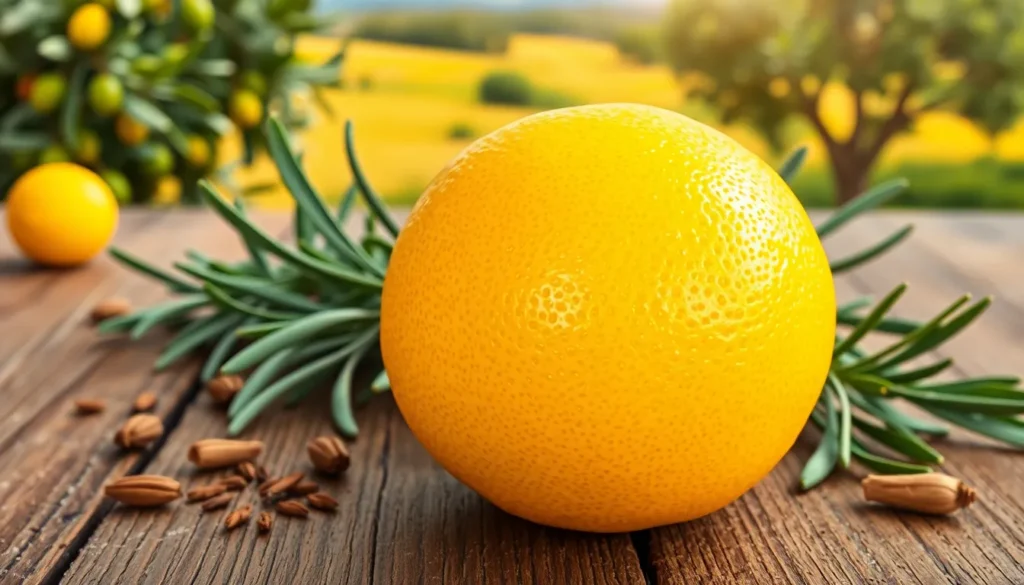
Imagine a flavor that dances on your taste buds like a citrusy ballerina, twirling between sweet and tart. That’s bergamot for you. This little fruit packs a punch, often overshadowed by its more famous relatives like oranges and lemons. Yet, it’s the secret star of Earl Grey tea and a surprising player in gourmet kitchens worldwide.
Bergamot Flavor
Bergamot flavor combines bright citrus notes with floral undertones, creating a distinctive taste profile. The fruit primarily grows in Italy and presents a unique alternative to more common citrus varieties. It contains a blend of sweetness and tang that enhances both sweet and savory dishes.
Earl Grey tea exemplifies bergamot’s flavor, as it showcases the fruit’s aromatic essence. Other culinary uses include marinades, salad dressings, and desserts, where bergamot’s essence elevates the taste experience. Chefs increasingly incorporate bergamot oil into gourmet recipes, blending it with ingredients like fish, poultry, and vegetables to enrich flavors.
The fruit’s versatility extends to beverages. Cocktails benefit from bergamot’s bright notes, providing a refreshing twist when used as a mixer. Craft breweries also experiment with bergamot in various beer styles, highlighting its ability to complement hops and malt.
In gastronomy, the use of bergamot flavor aligns with emerging trends focusing on unique, exotic ingredients. Due to its multifaceted nature, bergamot flavor appeals to diverse palettes. Consumers increasingly seek out products infused with bergamot, whether in culinary delights or fragrant herbal infusions.
Experts recognize bergamot not just for its flavor, but also for its potential health benefits. The natural compounds in bergamot may possess antioxidant properties, contributing to overall wellness. As awareness of bergamot flavor grows, its applications in food and drink continue to evolve.
Historical Significance
Bergamot has a rich history that traces back to its origins in Southeast Asia. This citrus fruit began cultivation in Italy during the 14th century, specifically in the Calabria region. Italy’s favorable climate provided optimal growing conditions for bergamot trees, promoting their spread throughout Europe. Cultivators favor bergamot for its aromatic oils, extracted for use in perfumery and culinary applications.
Origin and Cultivation
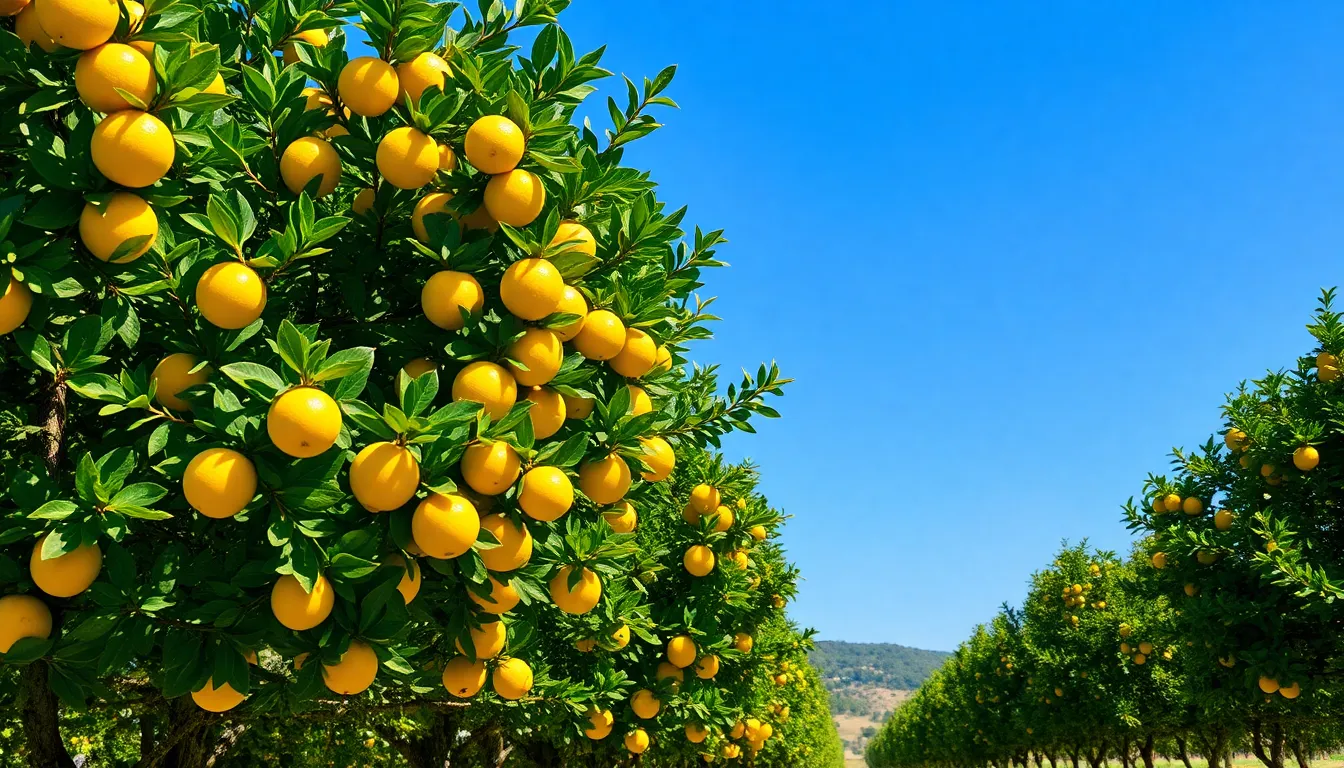
Bergamot cultivation originates in Southeast Asia, later adopted by Italian farmers. Regions such as Calabria became famous for high-quality bergamot production. Trees thrive in well-drained soil and require ample sunlight and moisture. Cultivation practices emphasize organic methods to enhance fruit quality. The unique climate conditions of southern Italy contribute to the distinctive flavor profile of this fruit.
Traditional Uses
Historically, bergamot played a significant role in both culinary and medicinal practices. Bergamot oil emerged as a popular ingredient in traditional Italian desserts, particularly as a flavoring in candies and pastries. It found its place in tea blends, notably as a key flavor in Earl Grey tea. Pharmacologists valued bergamot for potential medicinal properties, recommending it for addressing various ailments. Its usage spans different cultures, where bergamot extracts appear in fragrances and aromatherapy treatments.
Characteristics of Bergamot Flavor
Bergamot flavor combines unique aroma and taste elements, making it a notable ingredient in various culinary contexts.
Aroma Profile
Bergamot presents an intriguing aroma profile. Floral undertones blend with zesty citrus scents, creating a refreshing and uplifting fragrance. Grapefruit-like brightness enhances the overall smell, drawing attention in both food and beverages. This distinctive aromatic quality makes bergamot an essential component in perfumery and essential oils. Its fragrant essence elevates dishes and drinks, inviting intrigue and delight. Chefs and mixologists often seek this appealing aroma, utilizing it to enhance gourmet experiences.
Taste Notes
Bergamot flavor offers a complex taste experience. Bright citrus notes lead the flavor profile, exhibiting sharp, tangy qualities reminiscent of orange and lemon. Alongside its tartness, a subtle sweetness emerges, striking a balance that delights the palate. Floral hints contribute an aromatic depth, enriching both sweet and savory dishes. Bergamot enhances foods like marinades, salads, and desserts through its versatile nature. In beverages, it adds a refreshing twist to cocktails and teas. Culinary experts appreciate its ability to transform ordinary dishes into extraordinary creations, fostering a growing interest among adventurous cooks.
Culinary Applications
Bergamot flavor finds its way into various culinary creations, enhancing both the taste and aroma of numerous dishes.
Beverages
Chefs and mixologists embrace bergamot in beverages for its unique profile. Earl Grey tea showcases bergamot’s citrus notes, making it a popular drink choice. Cocktails also benefit from bergamot’s brightness, pairing well with spirits like gin and vodka. Craft brewers explore incorporating bergamot into their beers, offering refreshing alternatives. Natural sodas and sparkling waters gain flavor depth when infused with bergamot, appealing to health-conscious consumers.
Desserts and Pastries
Bergamot elevates desserts through its complex flavor. It blends seamlessly into cakes and pastries, adding a distinctive twist. Puddings and creams infused with bergamot deliver a delightful balance of sweetness and tartness. Chocolate desserts benefit from a touch of bergamot, creating sophisticated flavor profiles. Ice creams and sorbets featuring bergamot cater to adventurous palates and provide refreshing seasonal treats.
Savory Dishes
Culinary professionals use bergamot to enhance savory dishes. Marinades for fish and poultry gain brightness with bergamot’s citrus essence. Vegetable dishes benefit from bergamot’s floral undertones, adding layers of complexity. Salad dressings incorporate bergamot for zesty freshness, complementing greens and cheeses. Stir-fries and sauces featuring bergamot showcase its versatility, inviting creativity in the kitchen.
Health Benefits
Bergamot offers various health benefits due to its rich composition of bioactive compounds. These compounds contribute to several nutritional aspects that promote overall well-being.
Nutritional Aspects
Bergamot contains essential oils, vitamins, and antioxidants. These antioxidants, particularly flavonoids, combat oxidative stress. Vitamin C found in bergamot supports immune function and skin health. While the fruit is low in calories, its nutrients foster feelings of fullness and satisfaction, making it a nutritious option for flavoring dishes. Additionally, bergamot’s dietary fiber aids digestion and promotes gut health, enhancing its status as a functional food.
Therapeutic Uses
Bergamot oil is recognized for its therapeutic properties. It’s often utilized in aromatherapy to reduce stress and improve mood. Studies indicate that bergamot oil may help alleviate symptoms of anxiety and depression. In traditional medicine, its antibacterial properties support skin health and help treat infections. The fruit’s components may also assist in lowering cholesterol levels and supporting cardiovascular health. Incorporating bergamot into daily routines could potentially enhance physical and mental well-being.
Conclusion
Bergamot flavor is carving out its niche in the culinary world and beyond. With its unique blend of citrus and floral notes it offers a refreshing alternative to traditional flavors. Chefs and home cooks alike are embracing bergamot’s versatility in both sweet and savory dishes. Its potential health benefits further enhance its appeal making it a valuable addition to any kitchen.
As consumers seek out exotic ingredients bergamot is poised to become a staple in modern gastronomy. Whether in tea cocktails or gourmet recipes bergamot’s vibrant flavor is sure to elevate any culinary experience. The growing interest in this remarkable fruit showcases its ability to inspire creativity and innovation in cooking and wellness.