

Imagine biting into a juicy tomato that’s so fresh it practically sings of sunshine and earth. That’s the magic of the farm-to-table movement, where food travels a mere stone’s throw from the field to your plate. This concept isn’t just about eating; it’s about connecting with the origins of our food.
Farm to table emphasizes local sourcing, seasonal ingredients, and sustainable practices, making meals not just tasty but also guilt-free. It’s like giving your taste buds a VIP pass to the farm, where freshness reigns supreme. With every bite, diners support local farmers and embrace a healthier lifestyle. So, if you’re ready to ditch the mystery meat and embrace the bounty of your backyard, it’s time to dive into the delightful world of farm to table.
Farm To Table Definition
Farm to table refers to a culinary philosophy emphasizing direct connections between food producers and consumers. This approach highlights the importance of sourcing ingredients locally, ensuring freshness and quality. Diners benefit from meals prepared with seasonal fruits and vegetables, often featuring meats and dairy from nearby farms.
Restaurants adopting farm-to-table practices typically strive to minimize their carbon footprint by reducing transportation distances. By prioritizing local farms, they support sustainable agriculture and promote environmental stewardship. Transparency in sourcing creates a bond between chefs and local farmers, fostering community ties.
Local food systems contribute to healthier eating habits. Patients who switch to farm-fresh diets often notice improvements in overall well-being. The movement encourages consumers to avoid highly processed foods, which tend to contain preservatives and artificial ingredients.
Positive impacts of the farm-to-table movement extend beyond consumers. Local farmers often receive fair compensation for their produce, fostering economic stability in rural areas. Chefs also gain a competitive edge by offering unique, locally sourced dishes that resonate with diners’ preferences for freshness and quality.
Many food enthusiasts celebrate farm-to-table restaurants as they provide an opportunity to truly connect with the origins of their meals. Seasonal menus ensure that diners experience the best flavors that each growing season offers. Adopting this philosophy leads to a culinary experience that emphasizes respect for nature and the hard work of food producers.
Key Components of Farm To Table
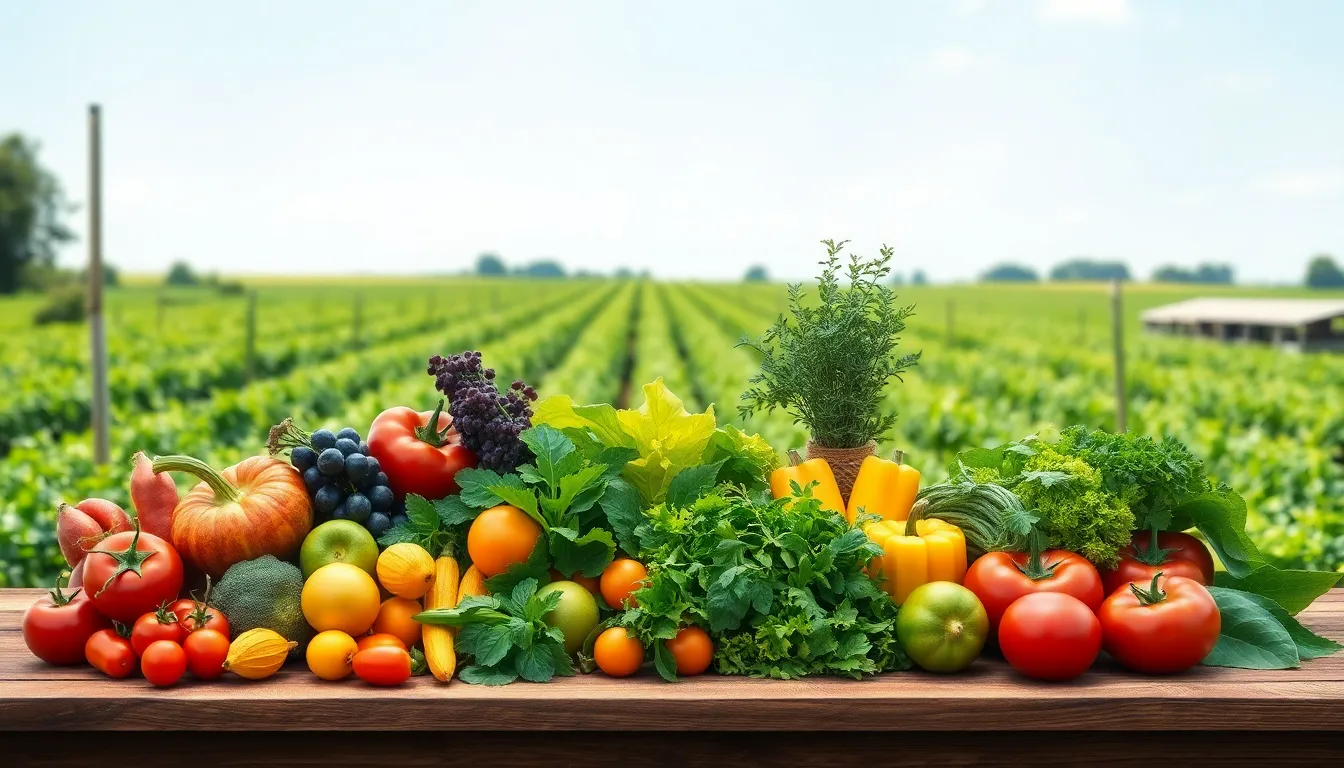

Farm-to-table involves critical elements that contribute to its philosophy. Understanding sustainable practices and local sourcing reveals the commitment to quality and community ties.
Sustainable Practices
Sustainable practices form the backbone of the farm-to-table movement. These methods prioritize environmental health, focusing on organic farming techniques that reduce chemical use. Practices such as crop rotation promote soil health, enhancing the long-term viability of farms. Additionally, sustainable farming uses resources efficiently, minimizing waste through composting and water-saving irrigation techniques. Culinary institutions often support this approach, collaborating with farmers committed to sustainability. By choosing ingredients from these farms, restaurants reinforce their role in protecting the environment and fostering a healthier food system.
Local Sourcing
Local sourcing plays a vital role in the farm-to-table philosophy. Restaurants seek produce, meats, and dairy from nearby farms, ensuring freshness in every dish. Sourcing locally reduces transportation distance, which in turn lowers carbon emissions associated with food transport. Strong relationships with local farmers enhance menu variety, allowing chefs to showcase seasonal ingredients. Diners appreciate the distinct taste and quality of locally sourced food, creating a direct connection to the land and its producers. Through local sourcing, communities strengthen their economies while promoting healthier diets rich in seasonal flavors.
Benefits of Farm To Table
The farm-to-table movement offers numerous advantages that impact health and the environment positively.
Health Advantages
Eating fresh, locally sourced food boosts nutrition quality. Nutritional content often decreases in food transported over long distances. Consuming seasonal ingredients promotes variety in diets, leading to better overall health. Fresh produce also tends to have fewer preservatives and additives, enhancing flavor and vitality. Restaurants embracing farm-to-table practices typically showcase transparency in ingredient sourcing, allowing diners to make informed choices. Increased support for local farmers results in fresher options that can help reduce diet-related health issues. Access to nutrient-dense food contributes to a strengthened immune system and improved well-being. Choosing farm-fresh meals directly impacts health and fosters community connections.
Environmental Impact
Locally sourced ingredients substantially lower carbon footprints. Transportation emissions decrease when food travels shorter distances from farms to consumers. Moreover, sustainable farming practices align with environmental preservation goals by reducing waste and promoting soil health. Utilizing organic methods enhances biodiversity and minimizes chemical use, which benefits ecosystems. Farm-to-table restaurants support local agriculture, helping to maintain green spaces and protect habitats. Consumers play a significant role in driving demand for sustainable practices, resulting in broader environmental benefits. Collaborative efforts between chefs and local farmers create more resilient food systems, reinforcing the connection between dining choices and ecological responsibility.
Challenges in Farm To Table Implementation
The farm-to-table movement faces several challenges that can hinder effective implementation. Supply chain issues and consumer awareness are two prominent factors that impact local sourcing and sustainability.
Supply Chain Issues
Supply chains often encounter disruptions that affect local producers and restaurants. Transportation logistics can complicate timely deliveries, especially during peak seasons. Additionally, fluctuating availability of local products can limit menu options, creating consistency issues. Restaurants might struggle to align their offerings with seasonal availability, which affects customer satisfaction. Communication gaps between farmers and chefs can lead to misunderstandings regarding product specifications and quantities. Finding reliable suppliers also presents challenges, as disparities in quality can affect the dining experience.
Consumer Awareness
Consumer awareness remains crucial for the success of the farm-to-table movement. Many diners lack knowledge about sourcing practices, which affects their purchasing decisions. Educating the public about the benefits of local food can drive demand for sustainable options. Transparency in ingredient sourcing fosters trust and encourages patrons to choose restaurants committed to this philosophy. Furthermore, misconceptions about pricing often deter consumers from seeking out farm-to-table establishments. Addressing these misconceptions and promoting the health and environmental benefits of local sourcing can enhance customer engagement and secure support for local farmers.
Conclusion
The farm-to-table movement represents more than just a dining trend; it’s a commitment to sustainability and community. By prioritizing local sourcing and seasonal ingredients, it fosters a deeper connection between consumers and the food they eat. This approach not only enhances the culinary experience but also supports local economies and promotes healthier lifestyles.
As more diners embrace the benefits of fresh, locally sourced meals, the demand for sustainable practices will continue to grow. The movement encourages transparency and education, empowering consumers to make informed choices. By choosing farm-to-table options, diners contribute to a more resilient food system while enjoying the rich flavors of their region.